

The Climate Negotiation Collapse: Lessons from COP31
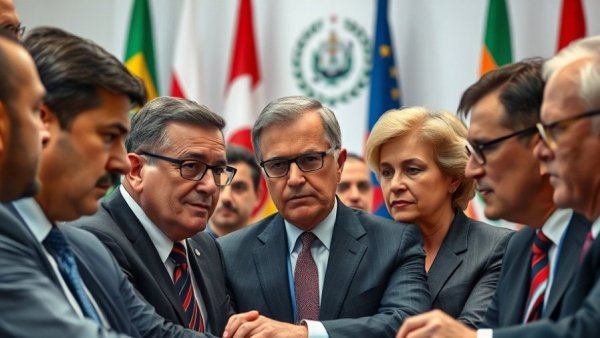
The recent COP31 climate talks in Antalya, Turkey, marked a historical low point for international climate negotiations. Despite extended sessions, countries walked away without a deal, revealing deep fractures over fossil fuels and financial commitments to support vulnerable nations. This collapse is reminiscent of the failed Copenhagen negotiations of 2009, raising questions about the future of global climate policy.
Fossil Fuels: The Main Controversy
Fossil fuel references were notably absent from the final draft deal, causing significant backlash from various countries, especially within the EU. Irish Minister Darragh O'Brien expressed outrage, stating that it was “unconscionable” for a climate pact not to acknowledge fossil fuels, which are directly linked to climate change. Even nations like Panama and the Marshall Islands condemned the agreement for its inadequacy in addressing urgent climate action. Countries reliant on fossil fuel production, such as Saudi Arabia and Russia, defended their positions by downplaying their historical emissions and warning against rapid transitions that could lead to fuel poverty.
The Financial Commitment Quandary
A critical issue at COP31 was the lack of financial pledges from developed nations to assist poorer countries in adapting to climate change. Past agreements aimed to triple financial resources to tackle climate impacts, yet this year’s talks left no clear commitments or mechanisms for accountability. Advocates worry this gives wealthy countries too much leeway and continues the cycle of inaction on crucial climate support.
Future Implications for Climate Governance
Former U.S. Vice President Al Gore's reaction highlights the pressing need for reform in the COP process. He suggests that the system must evolve to amplify the voices of nations genuinely seeking climatic advancement. Without transformative steps, the COP process could stagnate further, jeopardizing global climate goals and initiatives needed to protect vulnerable populations.
What’s Next?
The failure of COP31 prompts critical reflection on the operational structure of international climate negotiations. Observers argue for a reevaluation of how negotiations are conducted, balancing the influences of fossil fuel states with the urgency represented by the majority. As global temperatures rise and impacts become more severe, the international community must rekindle its commitment to collective action against climate change.





Write A Comment