
The Ongoing Challenge of Global Climate Action
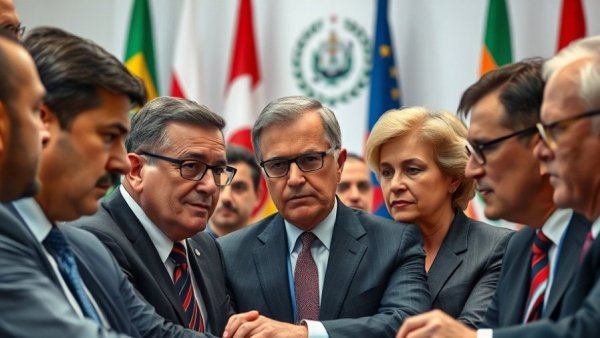
The UN's COP31 summit in Antalya, Turkey, is at a critical juncture with negotiations extending into overtime as countries strive to forge a new global climate deal. The latest draft agreement, released early Sunday, aims to address the significant divide among nations but continues to lack explicit commitments regarding the transition away from fossil fuels. This absence is concerning for many, given that the previous drafts included stronger language on this pressing issue.
What’s at Stake for Global Leaders?
The overarching aim of COP31 is to reach an agreement that promotes sustained global action to combat climate change while maintaining international cooperation. Although Turkey and Australia, the co-hosts of this year's summit, express optimism about a potential breakthrough, reactions from major entities like the European Union suggest skepticism. The EU views the latest draft as a regression, given the lack of specific targets for adaptation funding and fossil fuel commitment.
Insights from the Negotiation Table
Key stakeholders, including energy ministers and representatives from various nations, attended meetings that require consensus for any agreement to take hold. In recent discussions, meetings extended well beyond the original deadlines, raising concerns about effectively securing the required participation from all parties. This underscores a critical point: if no consensus is reached, negotiations could be postponed for another year—an unprecedented situation since the COP meetings began in 1995.
Acknowledge the Importance of Adaptation
The draft's omission of clear financing for adaptation efforts has disappointed many, especially vulnerable nations. The recent acknowledgment that the world is on track to exceed the 1.5°C global warming target further accentuates the urgency of reaching an agreement. There is a pressing need for assurances that governments will commit to substantial investments in adaptation strategies.
The Path Forward: Challenges and Hope
Global climate negotiations face immense challenges as they grapple with fundamental policy decisions. Negotiators from the African Group and EU highlight the importance of referencing fossil fuels directly. These decisions carry significant implications for future energy policies and international climate commitments. Yet, amidst these challenges, leaders like Turkey's Environment Minister, Murat Kurum, attempt to navigate disputes and work towards a balanced accord that many hope will emerge before the summit concludes.
It’s clear that negotiations will continue to require patient diplomacy and a willingness to compromise. The stakes are incredibly high, and the global community watches closely as these talks unfold.





Write A Comment