
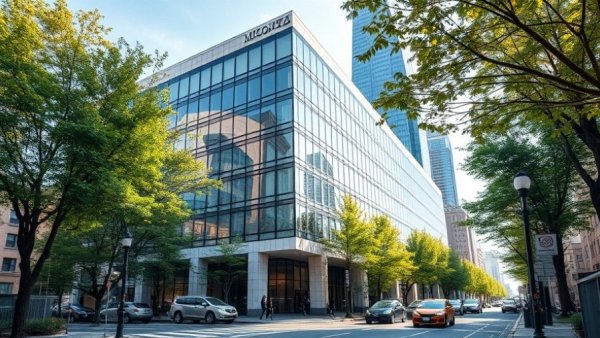
Episcopal Church's Bold Move in Midtown
The Episcopal Church has officially entered into a sale agreement for its 12-story national headquarters located at 815 Second Avenue, a sign of shifting priorities in response to dwindling attendance and financial pressures. The prospective buyer, CSC Real Estate, specializes in converting office spaces into luxury residential units. This decision comes just four months after the church put the property on the market for $52 million.
Turning Challenges into Opportunities
As church attendance has seen a noticeable decline, particularly post-pandemic, the sale symbolizes a crucial pivot for the Episcopalian community. Bishop Sean Rowe expressed that this sale is about utilizing legacy assets to secure the church's future, stating, “It’s time to repurpose what we have and invest in new beginnings.”
Financial Ramifications and Future Plans
The church, facing nearly $15 million in outstanding debt, is implementing measures to manage its financial obligations. While specific details on using the sale proceeds remain unclear, the church has earmarked 25% of net gains for creating a trust fund aimed at supporting grants for congregational revitalization. In parallel, staff relocations from the expansive Midtown headquarters have already begun, with many transitioning to more compact offices to reflect the current working landscape.
Community Impact and Urban Revitalization
This transaction also reflects broader trends in urban real estate, particularly the ongoing shift from commercial to residential properties in major cities. Similar trends are observed with other religious organizations, like the Roman Catholic Archdiocese, which sold its own headquarters for a substantial sum, converting its premises for housing needs. Such moves signal a growing acceptance of rethinking the space utility in light of changing community dynamics.
New Beginnings for the Episcopal Community
The Episcopal Church's strategic decision to relocate and restructure aims to enhance its outreach efforts by planting new congregations and revitalizing existing ones. As urban landscapes evolve, so does the church’s role within these communities. This sale is not just a financial maneuver but a hopeful stride towards fostering new growth and engagement in the post-pandemic landscape.





Write A Comment