
Add Row
Add Element
UPDATE
April 10.2025
2 Minutes Read

Six Lives Lost in Helicopter Crash: A Tragic Incident Over Hudson River

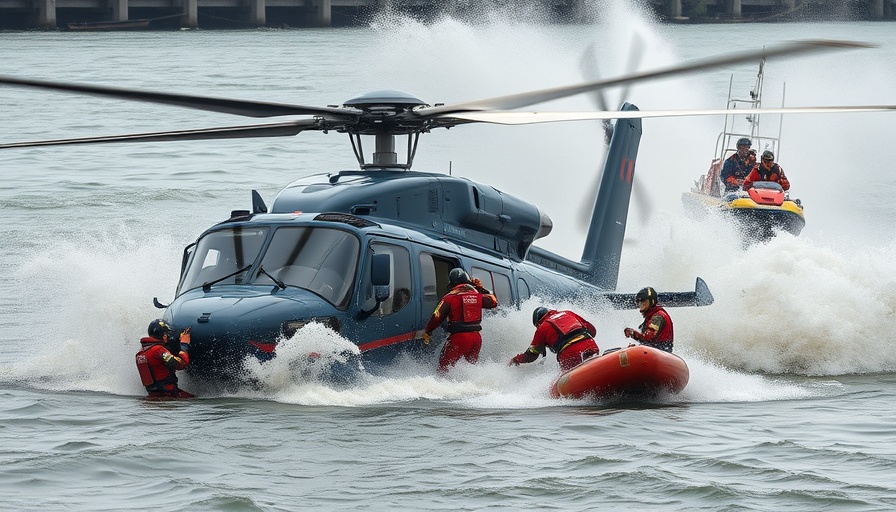
Rescue operation at Hudson River helicopter crash site, responders in action.

Tragic Helicopter Crash in Hudson River Claims Six Lives

In a devastating event that left a family shattered, six individuals, including three children, tragically lost their lives when their helicopter crashed into the Hudson River in New York. The family of five, comprised of tourists from Spain, and their pilot were all onboard the helicopter, which was on a sightseeing tour at the time of the accident. New York City Mayor Eric Adams expressed his condolences, stating, "Our hearts go out to the families."

Details of the Incident Unfold

The ill-fated helicopter, identified as a Bell 206, took off from the Downtown Skyport around 2:59 PM local time. Shortly thereafter, at approximately 3:17 PM, the first calls reporting the crash came in. Eyewitness accounts describe the helicopter flipping upside down before plummeting into the river, with parts of it falling away in the process. Despite swift response from rescuers who were in the water moments after the crash, their life-saving efforts could not prevent the tragedy, as four victims were pronounced dead at the scene and two more at a nearby hospital.

The Investigation Process Begins

Authorities are currently looking into the cause of the crash, with the National Transportation Safety Board leading the investigation, supported by the Federal Aviation Administration (FAA). Initial reports suggest that the helicopter lost control shortly after a turn at the George Washington Bridge. Michael Roth, CEO of New York Helicopter Charter, expressed devastation over the event and declined to comment on maintenance specifics, noting that his director of maintenance oversees those details.

Reflecting on the Loss

As the community grapples with the heartbreaking news, social reactions are emerging. Former President Trump remarked on the disaster, calling it "terrible" and extending thoughts to the families affected. The Hudson River, known for its scenic beauty and bustling activity, now serves as a somber reminder of the fragility of life.

A Call To Reflect on Safety in Sightseeing

In light of this incident, it is a poignant reminder for both tour operators and city officials to continually evaluate safety measures and regulations surrounding aerial sightseeing experiences. How we treat safety in recreational flights can have lasting impacts, particularly on families seeking memorable experiences in a vibrant city like New York.

The emotional weight of this tragedy is immense, and the families who lost loved ones deserve our compassion and support. As investigations continue to uncover the full story behind this tragic accident, we must also unite as a community to advocate for enhanced safety protocols within the aviation industry.

World News

0 Comments

Write A Comment

*
*
Please complete the captcha to submit your comment.
Related Posts All Posts

Iran Ceasefire Deal: Trump's Temporary Escape from War's Grim Reality

Update Ceasefire Breakthrough: A Temporary Solution or a Path Forward?After weeks of escalating tensions culminating in President Trump's alarming threats against Iran, a two-week ceasefire agreement has been reached, brokered by Pakistan. This temporary reprieve, described as a "definitive" peace initiative by Trump, is contingent upon Iran's commitment to cease hostilities and facilitate safe commercial passage through the critical Strait of Hormuz. The announcement has brought a momentary sense of relief to global markets, as crude oil prices dipped below $100 for the first time in days, highlighting the economic implications of military conflicts in the region.The Global Impact of U.S.-Iran RelationsThe ongoing struggle between the U.S. and Iran creates ripples far beyond their borders. The Strait of Hormuz is a lifeline for international oil transport, carrying roughly 20% of the world’s oil supply. Any prolonged military engagement here can jeopardize global energy security, affecting economies around the globe. Observers note that even minor escalations can result in drastic shifts within international energy markets, emphasizing the need for consistent diplomatic engagement.Negotiations Ahead: Potential Paths and ChallengesDespite the optimistic tone surrounding the ceasefire, the road ahead is fraught with uncertainty. Both nations are expected to engage in negotiations over the coming weeks, with Trump's acceptance of Iran’s ten-point peace proposal indicating a willingness to discuss conditions that were previously rejected. However, Iran's emphasis on financial control over the Strait and the lifting of sanctions presents a significant challenge to any lasting peace agreement. Both sides must navigate these complex demands while ensuring their national interests are kept intact.Iran's Domestic Reception: A Mixed ResponseWhile some in Iran celebrated the announcement of a ceasefire, viewing it as a victory over U.S. aggression, skepticism remains prevalent. Many are cautious, fearing that a diplomatic solution may ultimately leave the existing power structures in place. The Iranian government’s insistence on maintaining control over the Strait of Hormuz further complicates matters, revealing internal divisions regarding how to address U.S. influence and regional tensions.Conclusion: The Fragility of PeaceThe two-week ceasefire may provide a firmer footing for dialogue, but questions linger about its effectiveness in delivering long-term stability. As global citizens tune into this developing narrative, understanding the potential implications and risks involved is crucial. The ceasefire might buy time, but true resolution requires more than just temporary measures. It requires robust negotiation strategies, mutual respect, and a commitment to understanding the complexities of the relationship between Iran and the United States.

What the Artemis II Lunar Flyby Means for Future Space Missions

Update Historic Voyage to the Moon: Artemis II Breaks New GroundNASA's Artemis II mission set sail on April 1, 2026, marking an extraordinary return to manned lunar exploration after more than fifty years. Launched from the Kennedy Space Center in Florida, this significant journey around the moon is also a crucial step toward establishing humanity's long-term presence on the lunar surface.Trump's Call to the Astronauts: Making History TogetherIn a remarkable moment following the lunar flyby, former President Donald Trump reached out to the Artemis II astronauts, expressing his pride in their accomplishments. "Today you’ve made history and made all America really proud," he remarked during the call. His dialogue emphasized not only the historic nature of the mission but also aspirations for future explorations, including potential manned missions to Mars.Scientific Significance of the Lunar FlybyThe Artemis II mission isn't just a nostalgic return to the moon; it's a pivotal part of a larger agenda that aims to lay the foundations for a permanent lunar base. This mission holds scientific value as well, offering an opportunity to study the moon's resources and geology while simultaneously preparing for potential life on other planets.The Impact of the Solar Eclipse ExperienceDuring the mission, the crew also experienced a total solar eclipse. Astronaut accounts describe the event as "absolutely spectacular and surreal,” providing not just a visual treat but also a unique scientific observation from a vantage point that few have witnessed. This enriching experience adds a layer of excitement to an already historic mission.Looking Ahead: What Comes Next?As the astronauts make their way back from the moon, anticipation builds for future Artemis missions. In his call, Trump hinted that the United States is on track to not only return to the moon but also to send astronauts to Mars, showcasing an enduring commitment to space exploration. The legacy of Artemis II can be a catalyst for a new era of scientific discovery and international collaboration in space.

Trump's Iran Ultimatum: What Happens If Negotiations Fail?

Update The Countdown to Conflict: Trump’s Ultimatum to Iran As tensions escalate in the Persian Gulf, President Donald Trump has issued an ultimatum to Iran, marking a perilous moment in U.S.-Iran relations. In a recent announcement, Trump has threatened devastating military action against Iranian infrastructure, claiming that by tomorrow evening, significant assets including power plants and bridges could be "decimated". The ultimatum puts Iran in a tight spot as they reject a temporary ceasefire proposal, raising concerns about the potential for expanded conflict. Military Might vs. Psychological Warfare The U.S. military's tactical prowess has been highlighted through operations that showcase advanced capabilities, yet this raises a critical question of whether such power can achieve desired diplomatic outcomes. Trump himself acknowledged during a press conference that closing the Strait of Hormuz, vital for global oil transportation, is susceptible to limited resources. His comments suggest that psychological deterrence may be even more significant than military might in this high-stakes standoff. Iran's Stance: Holding the Line Despite the looming threats, Iran has outright rejected Trump's demands for a ceasefire and has presented its own set of conditions for negotiations—a clear indication that, for Tehran, diplomatic engagement is contingent on substantive guarantees against further military attacks. Iran's steadfast position highlights their reliance on controlling key maritime routes and their willingness to endure hardships in pursuit of freedom from perceived external oppression. This resistance poses a significant challenge for U.S. delegates seeking to broker peace amidst ongoing hostilities. International Concerns: The Risk of War Crimes The international community is increasingly alarmed by the escalation of threats. The UN has cautioned that any attack on civilian infrastructure would amount to a violation of international law. This raises critical ethical considerations regarding the ramifications of Trump's proposed military actions that could indiscriminately harm civilian targets, thus potentially categorizing such maneuvers as war crimes. The Implications of Ongoing Conflict As the deadline nears for a decision on a ceasefire, the world watches closely. Trump's threats to attack Iranian infrastructure are not without consequence—escalating military action could lead to further instability in the region and threaten global oil supplies. Analysts fear that a lack of resolution could plunge both the U.S. and Iran deeper into an aggressive cycle of retaliatory responses, severely impacting not only the parties involved but also global economic interests. Conclusion: Navigating a Nuclear Watershed As the clock ticks inexorably toward the deadline, the urgent call for dialogue remains critical. Only through diplomatic negotiation can the U.S. and Iran hope to circumvent a cataclysmic escalation of hostilities.

Terms of Service

Privacy Policy

Core Modal Title

Sorry, no results found

You Might Find These Articles Interesting

T
Please Check Your Email
We Will Be Following Up Shortly
*
*
*