
UPDATE
July 15.2025
2 Minutes Read

NYPD's Quality of Life Program Expansion: What It Means for Manhattan Residents

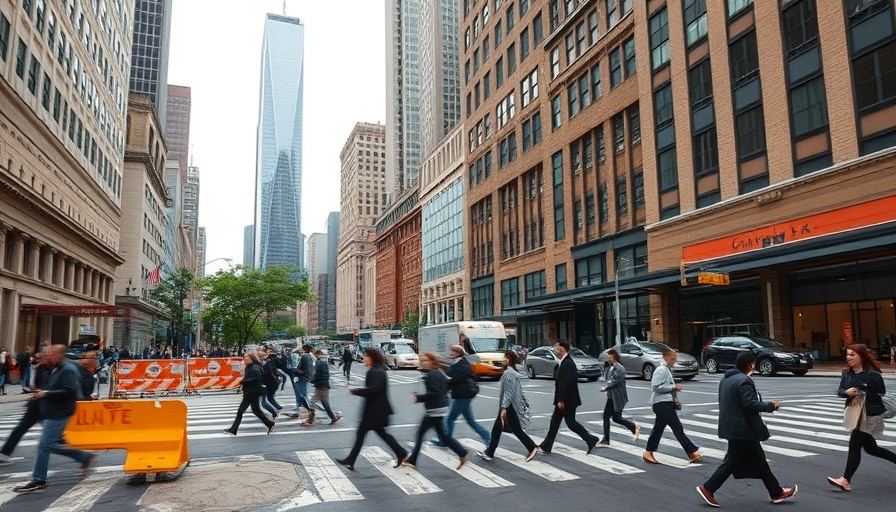
Urban street scene in NYC with pedestrians, focus on quality of life programs.

NYPD’s Quality of Life Division Expands Citywide

The NYPD has officially expanded its Quality of Life pilot program to encompass all precincts across Manhattan, responding swiftly to issues facing communities. Initially launched in May in just six precincts and encompassing five outer boroughs, the program has seen remarkable results. Over 7,500 quality of life calls were logged, 6,100 summonses issued, and 357 arrests made within the first 60 days of operation.

A Dedicated Approach to Safety

This initiative is characterized by the creation of a dedicated division, the Quality of Life Division, led by a deputy inspector. NYPD Commissioner Jessica Tisch emphasized the program's effectiveness, stating, “In just two months, the Quality of Life Division has done exactly what we set out to do: respond quickly, stay focused, and address the issues New Yorkers are calling about.” The primary focus is tackling low-level offenses, including illegal moped and e-bike operations, abandoned vehicles, and unregulated smoke shops, all of which have raised concerns among residents.

Support and Anticipation from City Officials

Mayor Eric Adams reinforced the city's commitment to public safety, articulating that addressing quality-of-life concerns is central to their mission. With the summer season approaching, plans also include deploying additional officers to high-crime areas, ensuring a multifaceted approach to maintaining order in urban spaces. As this initiative rolls out throughout the boroughs, residents can expect a tangible improvement in safety and community standards.

Future Forecast: Sustaining Community Engagement

The future of the NYPD Quality of Life program seems promising as it prepares to engage with all five boroughs. By concentrating on areas where residents have raised concerns, the NYPD aims to cultivate a safer, more enjoyable environment for all. With ongoing evaluations and adjustments based on community feedback, this model could very well set new benchmarks for urban policing and community relations.

New York

0 Comments

Write A Comment

*
*
Please complete the captcha to submit your comment.
Related Posts All Posts

Discover the Hidden Origins of the New York Public Library Rooted in Community

Update The Rich Historical Tapestry of NYC's Literary Heart The New York Public Library (NYPL), a cornerstone of American culture, has its roots embedded in the vibrant neighborhoods of Greenwich Village, the East Village, and NoHo. Founded on May 23, 1895, the NYPL is the largest municipal library in the world, holding over 55 million items at 92 locations across the city. Understanding its origins reveals a narrative not just of books, but of community, ambition, and the pursuit of knowledge. The Pioneering Libraries: A Trio of Foundations The establishment of the NYPL can be traced back to its three key predecessor libraries: the Astor Library, the Lenox Library, and the New York Free Circulating Library. These institutions were more than just collections of books; they represented the desires of influential figures like John Jacob Astor and James Lenox, who aimed to create repositories of knowledge accessible to New Yorkers. A Shift Towards Public Access The New York Free Circulating Library stands out as a beacon for the common citizen, offering free access to literature for all, regardless of socioeconomic status. It began in 1879 at Grace Church and quickly expanded, demonstrating just how vital libraries were in providing educational resources to the community. Cultural Significance: A Hub of Progress Beyond lending books, the NYPL played a crucial role in fostering a love for reading among the diverse populations of New York City. It hosted programs that catered to various communities, mirroring the city's growth from a bustling port to a metropolitan hub. This accessible approach to literature paved the way for public libraries nationwide, influencing how information is disseminated to the masses. Responsibility of Preservation The evolution of the NYPL is a story of preservation, both physically through its buildings and intellectually through its collections. Landmark locations like the Jefferson Market Library, which dates back to 1877, reflect the city's architectural and social history. The NYPL remains committed to preserving its collections while modernizing services to meet contemporary needs. The narrative of the New York Public Library is more than just about books; it’s about the spirit of a city that cherishes knowledge as a treasure for everyone. As we reflect on its history, we must also consider the ongoing importance of libraries in our modern world.

Private School Bids $20 Million for Manhattan Country School: What’s Next?

Update Private School Seizes Opportunity Amid BankruptcyIn a bold financial maneuver, a private school has placed a stunning $20 million bid for a bankrupt Manhattan institution, the Manhattan Country School. This move reflects both the challenges and opportunities present in New York City's private education landscape.Understanding the Shift in Educational DemandThe landscape of private schooling in Manhattan is evolving. The COVID-19 pandemic has reshaped how parents view education, creating a seismic shift in demand for institutions that offer robust programming and adaptable environments. With tuition rates on the rise and public schools struggling to maintain enrollment levels, private schools are increasingly looking for ways to expand their offerings.Economic Impact and Community SentimentThe bid comes at a time when educational institutions are not just centers of learning but pivotal economic players. If the acquisition succeeds, it could mean new jobs and community initiatives stemming from the school's potential revival. However, community reactions remain mixed, as many residents express concerns over the rising costs of education and the potential impacts on local public schools.Future Insights: What Lies AheadThis situation underscores the fragility of small educational institutions in Manhattan. With increasing competition and evolving standards, many are left asking: can traditional educational models adapt, or are they destined to succumb to economic pressures?Ultimately, as the bid unfolds, stakeholders must remain vigilant and engaged. The resolution could shape the future of education in Manhattan and reflect broader trends that impact parents, teachers, and students alike.

Discovering the Legacy of Eliza Jumel: America’s Richest Woman

Update An Enigmatic Legacy: The Life of Eliza Jumel Eliza Jumel’s story is one of remarkable resilience and intrigue, shining like a hidden gem in the history of New York City. Born in the 1770s in Providence, Rhode Island, to a mother engaged in prostitution, Eliza defied her challenging beginnings. Her sharp wit and beauty propelled her from humble origins to wealth and societal prominence, ultimately making her America’s richest woman in the early 19th century. A Complex Character: Society’s Darling and Scandal Moving to New York City, Eliza soon mingled with influential figures, including Aaron Burr and Benedict Arnold’s wife, juggling between perceived scandal and social aspirations. Notorious for her alleged rags-to-riches ascension through dubious means, she was rumored to have used deception to capture the heart of wine merchant Stephen Jumel. An anecdote suggests she feigned illness to induce a wedding proposal, illustrating her determination to secure a place in high society. The Architectural Influence: Morris-Jumel Mansion In 1810, the Jumels purchased the Morris-Jumel Mansion, a structural masterpiece that would intertwine their legacy with the fabric of New York history. This estate, which became a social hub, is now the oldest house in Manhattan. It was briefly a headquarters for George Washington, but its association with Jumel has since transformed it into a museum where her life and the stories of everyone she touched are carefully preserved. Political Intrigue and Personal Trials Eliza’s wealth increased as she navigated legal channels following Stephen’s death. Her marriage to Aaron Burr turned tumultuous; she accused him of exploiting her finances. Their divorce became a public spectacle, highlighting the societal constraints on women and the challenges even the wealthiest faced in a male-dominated landscape. After their separation, Eliza’s resilience shone through as she continued to manage her vast estate. A Lasting Impact and Ghostly Legends Jumel’s death in 1865 did not mark the end of her influence. Instead, it sparked numerous ghost stories surrounding the Morris-Jumel Mansion, keeping her memory alive. Many claim to have seen her ghost or felt her presence within the mansion’s walls, further entwining her life with the cultural lore of New York City. Today, the mansion serves as a reminder of Jumel’s complex life, hosting a myriad of events from ghost tours to historical discussions, illuminating her narrative against the backdrop of contemporary issues in society. As we remember Eliza Jumel, we are prompted to reflect on the stories of women's struggles and achievements throughout history and consider how these narratives can inform our understanding of current societal dynamics. Engaging with Jumel’s legacy encourages a broader conversation about the challenges women still face today.

Terms of Service

Privacy Policy

Core Modal Title

Sorry, no results found

You Might Find These Articles Interesting

T
Please Check Your Email
We Will Be Following Up Shortly
*
*
*