
Add Row
Add Element
UPDATE
May 30.2025
2 Minutes Read

How the SoHo/NoHo Rezoning Is Shaping Housing in Manhattan

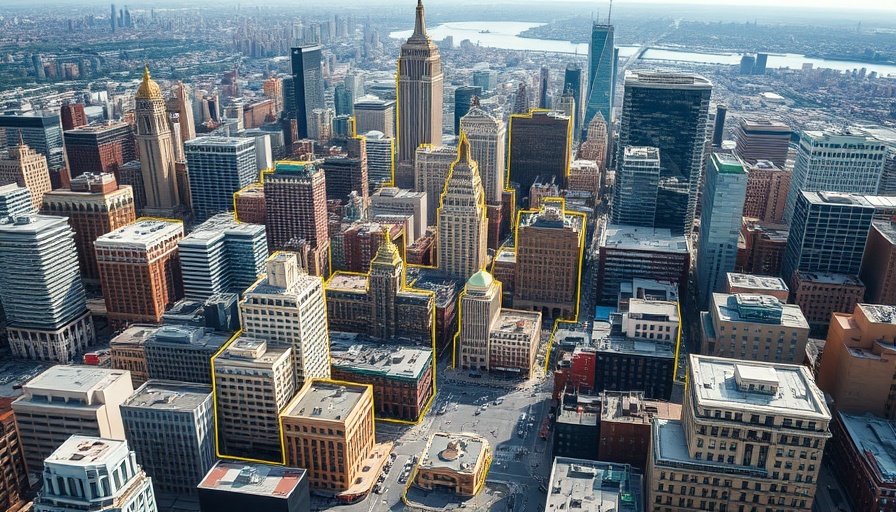
Aerial view showing SoHo NoHo rezoning impact with highlighted buildings.

Understanding the SoHo/NoHo Rezoning: A Critical Overview

The landscape of the SoHo and NoHo neighborhoods in Manhattan has undergone significant changes due to the recent rezoning efforts aimed at providing a more diverse range of residential options. Three years into its implementation, the zoning plan has sparked considerable debate among city officials and local residents alike about its impact on housing availability and neighborhood character.

What the Rezoning Represents

The rezoning is intended to facilitate the development of new residential units in an area historically dominated by commercial properties. Supporters argue that it promotes much-needed housing supply in one of New York City's most coveted locations, while critics caution that the influx of new developments could alter the unique character of these neighborhoods.

Insights Into the Housing Crisis

The ongoing housing crisis in New York City underscores the urgency of the SoHo/NoHo rezoning initiatives. According to recent reports, a significant portion of residents struggle with housing affordability, necessitating reforms that encourage the construction of residential units across various price points. This context places the rezoning in a larger framework of economic policy and social welfare.

Community Voices: Diverging Perspectives

Notably, community perspectives on the rezoning have been polarized. Some local groups advocate for the preservation of SoHo/NoHo's artistic legacy and historic architecture, warning that overdevelopment might lead to gentrification. Conversely, others emphasize the necessity of expanding the housing stock to accommodate a growing population. This tension between preservation and development remains a critical point of discussion.

As we reflect upon the impact of the SoHo/NoHo rezoning, it is essential to balance the aspirations of new housing development with the preservation of community identity. Active engagement from legal, financial, and medical professionals can spur meaningful dialogue about sustainable urban development that meets the diverse needs of New Yorkers.

New York

0 Comments

Write A Comment

*
*
Please complete the captcha to submit your comment.
Related Posts All Posts

Uncovering the Rich History Behind Carriage House Lofts on West 150th Street

Update The Transformation of History into Modern Living Originally built as the Speedway Livery & Boarding Stables in 1898, the stunning, four-story Romanesque-style brick structure at 457 West 150th Street now stands revitalized as the Carriage House Lofts. A remarkable conversion for a building that once housed some of the fastest trotters destined for the Harlem Speedway, this site is a testament to New York City's ever-changing character. From Trotters to Tenants: Cultural Echoes The Harlem Speedway, a prestigious two-and-a-half-mile racetrack where elite horsemen competed, loomed large in local culture. Imagine crowds lining the pedestrian pathways, eager to witness thrilling races. As reported by the New-York Tribune in 1903, the stables once housed an impressive collection of racehorses, hinting at the opulent lifestyle of horse racing in historic Manhattan. Architecture and Aesthetics: A Visual Retrospective The facade of the original stables features intricate sculptures of horse heads, capturing the spirit and grandeur of the equestrian era. Not only do these dramatic carvings serve as a nod to the building's past, but they also add a unique character to the modern-day loft. The evolution from a sheltered stable for prized horses to an upscale residential loft enriches the narrative of the building's history. Market Revival: The New York Rental Landscape As the Carriage House Lofts emerge in a transformed community, the real estate trend of converting historic structures into luxurious living spaces continues. While a one-bedroom unit now fetches a premium listing of over $3,000 per month, this reflects a broader trend where history and contemporary living intersect within New York City. Hints of its past, like the stoic horse heads guarding the entrance, remain as charming reminders of a time gone by. Community and Connection Living in such a storied place provides residents with a sense of belonging to a unique local heritage. The Carriage House Lofts offer not only a home but a glimpse into the rich tapestry of New York City's architectural evolution. Those who choose to reside here connect deeply with the city’s historical milestones, creating a living narrative that continuously inspires. In an ever-evolving cityscape, the transition of the Carriage House Lofts illustrates how New Yorkers adapt, preserving the essence of the past while embracing the future. As you consider your next housing venture, reflect on the significance of choosing a home with history.

Amtrak Vows No Final Decisions on Penn Station Redevelopment Before Public Engagement

Update Amtrak’s Commitment to Transparency in Penn Station Redevelopment As public anticipation mounts for the redevelopment of New York's iconic Penn Station, Amtrak has affirmed its commitment to transparency in the planning process. Andy Byford, overseeing the project for Amtrak, stated that "no final decisions" regarding the station's design or financing will be made before a broader public engagement initiative starts this summer. This pledge aims to quell rising concerns from community leaders and elected officials about a perceived lack of transparency in selecting a Master Developer for this multi-billion-dollar project. Engaging the Public: A Necessary Step The importance of public engagement in significant infrastructure projects cannot be overstated. Byford's announcement responds to requests from five Manhattan elected officials for more insight into the selection process for the Master Developer. The officials expressed fears that decisions could be made behind closed doors, potentially sidelining community interests. By putting public discussions at the forefront, Amtrak acknowledges that the project will not just reshape the station but also the surrounding neighborhood, which serves approximately 600,000 daily passengers. The Master Developer Selection Process Currently, three major development teams are in contention to lead the transformation of Penn Station. Amtrak plans to select a Master Developer by June, after which a pre-development agreement will launch the public engagement and design phases that will shape the future of the station. This iterative process involves constant feedback from bidders, emphasizing collaboration and adaptability—key aspects of ensuring the project meets the evolving demands of commuters and the community. A Glimpse into the Future of Penn Station Amidst all these developments, the Project stands as one of the largest and most significant redevelopment efforts in New York City’s recent history. The goal is not just aesthetic improvement; there’s an urgent need to address the outdated infrastructure and functionality that currently characterizes the station. Moreover, U.S. Transportation Secretary Sean P. Duffy has emphasized the critical timeline that aims for construction to begin by the end of 2027, underscoring a fervent push toward modernization. The Role of Private Partnerships The inclusion of private developers in the redevelopment process is part of a broader strategy to leverage private sector efficiency while safeguarding taxpayer interests. The selected Master Developer will play a crucial role in not only realizing a vision for a modern transit hub but also navigating the complexities tethered to the ongoing operations of a busy rail hub. Next Steps for Stakeholders With deadlines approaching and plans being scrutinized, stakeholders, from local officials to everyday commuters, must stay informed and involved. The upcoming summer engagement sessions represent an invaluable opportunity for public input that will shape this monument to transit in one of the busiest metropolitan regions in the world. The outcome of the Penn Station redevelopment could redefine urban transit in the United States for decades to come. As the process unfolds, those invested in the future of Penn Station should actively participate to ensure their voices are heard.

Why We Should Make the Giant Pigeon Statue on High Line a Permanent Exhibit

Update Endangered Art: A Bittersweet Farewell to the Dinosaur Pigeon StatueAs spring approaches in Manhattan, a new controversy brews around a beloved piece of public art. The giant pigeon sculpture known as "Dinosaur" is set to be removed from its spot on the High Line, and the community is facing a potential loss that transcends mere aesthetics. Created by Colombian artist Iván Argote, this 17-foot-tall aluminum pigeon has garnered immense affection from locals and tourists alike since its debut in 2024, prompting a petition that has surpassed 7,000 signatures urging for its permanence.Community Mobilization: The Power of Public SentimentPublic interest and community mobilization are at the forefront of this artistic dialogue. Many supporters, like local resident Julia Harris, articulate a deep emotional connection to the sculpture. "It’s very unique... pigeons are overlooked, seen as dirty or like trash," Harris shared. This sentiment echoes broader themes in urban art, where spaces for appreciation collide with the rotation of exhibitions.A Symbol of Resilience and Urban IdentityThe passionate petition for "Dinosaur" emphasizes its cultural significance as a symbol of resilience and perseverance in a bustling city like New York. Argote’s work serves not just as art but as a social commentary on how society views the common pigeon—from a nuisance to a revered urban figure. As expressed in the petition, removing this sculpture could erase a representation of a vibrant part of New York's identity.Reflections Through Art: Rethinking PerceptionsArt installations like "Dinosaur" play a pivotal role in shifting perceptions. They challenge viewers to see beauty in what is often dismissed. Pigeons, once honored for their service as messengers during wartime, now face a societal stigma. In contrast, sculptures like Argote's help reframe the narrative, sparking conversations around urban wildlife and their place in city life.Next Steps: Community Action and Potential OutcomesThe community’s response culminated in a farewell event that embraced the very essence of urban life, complete with pigeon-themed activities and celebrations. However, despite overflowing enthusiasm, city officials have yet to respond to the petition's call to action. This situation poses an opportunity for artists and city planners to reevaluate how public art is curated and preserved as part of New York's ever-evolving landscape.As the deadline for "Dinosaur's" departure looms, one thing is clear: this towering tribute to New York's ubiquitous bird is more than a simple installation; it is a poignant reminder of the power art holds in shaping cultural conversations.

Terms of Service

Privacy Policy

Core Modal Title

Sorry, no results found

You Might Find These Articles Interesting

T
Please Check Your Email
We Will Be Following Up Shortly
*
*
*