
Add Row
Add Element
UPDATE
July 31.2025
2 Minutes Read

Exploring Gilded Age to Jazz Age History Through Digital Maps

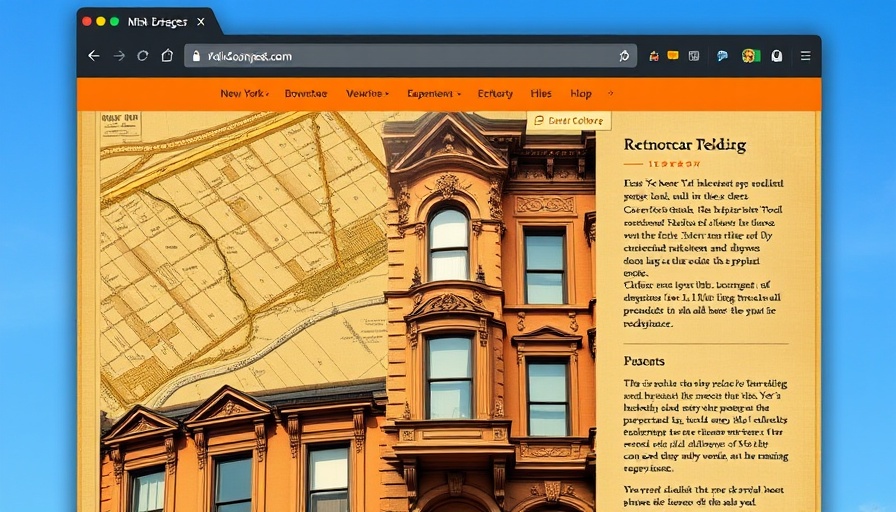
Webpage with digital maps of historical eras showing New York architecture.

Discovering the Transformative Power of Digital Maps

The evolution from the opulence of the Gilded Age to the vibrant energy of the Jazz Age represents a significant shift in American culture. Digital maps allow us to visually explore this fascinating transition, shining a light on the social fabric and urban landscapes that shaped these two iconic eras.

Connecting History to Modern Professionals

For lawyers, accountants, and medical professionals, understanding how the past influences the present can enhance contextual awareness in their fields. Digital maps unveil neighborhoods where historic events occurred, offering insights that may inform legal cases, business developments, and medical histories. Each map is a portal into a time when America was reinventing itself, and appreciating these changes can provide invaluable lessons.

Engagement Through Interactive Learning

The use of interactive digital maps fosters a unique learning experience. Users can click through various points of interest to uncover stories behind landmarks, empowering them to connect emotionally with history while engaging in a fun, exploratory format. This interactive element not only makes learning enjoyable but enhances retention, ensuring that those insights stick long after the journey ends.

The Importance of Historical Awareness

In today’s fast-paced world, understanding historical contexts is more crucial than ever. It can influence decision-making processes and inspire innovative solutions across multiple professions. By analyzing the past through the rich detail provided by digital mapping, today's professionals can gain perspective and enrich their conversations and practices.

Your Invitation to Explore

We invite professionals to engage with these digital maps, explore rich histories, and discover how the cultural shifts of yesterday continue to resonate in current trends. By blending the old with the new, you have the opportunity to enhance your professional knowledge while embracing the stories that make our communities vibrant.

Extra News

0 Comments

Write A Comment

*
*
Related Posts All Posts

UWS Catholic Church Property Sold: A New Era for Affordable Housing

Update Transforming Historical Spaces: A New Chapter for UWS The recent sale of a significant Upper West Side church property for $96 million to the Rockefeller Group and Atlas Capital Group marks a pivotal moment in the area's real estate landscape. This transformation involves converting former educational and recreational facilities into a mixed-income residential building while preserving the revered Gothic revival church of Holy Name of Jesus. Balancing Development with Community Needs The sale, which is expected to close this spring, not only indicates a shift in real estate strategies but also reflects a broader trend within New York City. The New York Archdiocese has been actively selling off once-sacred spaces as parish facilities close down. Such transitions raise questions about the preservation of community spaces amid growing urban development. The Impact of Affordable Housing Initiatives Utilizing New York's 485-x tax incentive program, designed to foster the development of affordable rental housing, is central to this project. With the requirement that 25% of units are set aside for affordable housing, the initiative targets households with annual incomes between $46,620 and $62,150. Developers indicate that the project is poised to not just add housing units but also meet diverse community needs. The Historical Significance of Holy Name Church Holy Name of Jesus Church has a rich history; its ornate design features a stunning replica of Da Vinci’s Last Supper, a testament to its architectural importance and community cultural marker. The potential integration of new residential options alongside the church could provide a unique model for urban development that honors historical significance while addressing modern housing demands. Looking Ahead: Next Steps for Local Residents As construction gets underway, local residents and stakeholders will be keenly observing development plans. The proposed project not only promises to revitalize the area but also aims to foster a renewed sense of community, evidenced by plans for additional space dedicated to religious programs and classrooms. This approach could establish a replicable framework for future developments that cater to both housing needs and community integrity.

Two Centuries of Transit: What Streetcars and Steam Trains Have Taught Us

Update Exploring Two Centuries of Transit Evolution The history of rail transport dates back 200 years, with roots tracing to 1825 in the United Kingdom when locomotion transformed travel. The first steam locomotive, Locomotion No. 1, launched the Stockton & Darlington railway, heralding mass passenger movement and freight transport. This event not only changed transportation in Britain but also echoed across the Atlantic as American cities began to adopt similar innovations. The Shift from Horse-Drawn to Electric Transit Initially, urban travel relied heavily on horse-drawn carriages, but by the late 19th century, the rise of electric streetcars began to reshape city life. Innovators like Frank J. Sprague introduced efficient electric streetcar systems, which swiftly became the preferred mode of urban transportation. This shift not only offered cleaner and faster travel but also played a crucial role in shaping the communities they served. Regional Impacts and Innovations in NYC New York City was at the forefront of this transit revolution. From horse-drawn streetcars in the 1830s to the first electric streetcar in the late 1880s, each innovation marked significant milestones in public transportation. The establishment of the subway system would further optimize urban mobility, changing architectural landscapes and business developments across neighborhoods like Greenwich Village and Harlem. Today, Modern streetcars are staging a comeback as cities recognize their potential in addressing urban congestion. Reflections on the Future of Transit As we look back on the transformative journey of public transport, it becomes evident that innovation continues to drive our cities forward. The revitalization of streetcars and the push for newer technologies reflect an ongoing commitment to sustainable public transit solutions. As professionals in sectors like law, finance, and healthcare, understanding these transportation legacies can inspire insights into current urban planning and investment strategies. Why Knowing the History of Public Transportation Matters In an age where urbanization is reshaping landscapes, understanding the evolution of transport systems is vital. Knowledge of this history enriches our perspective on civic planning and reinforces the importance of integrated transport solutions. It reminds us that every choice we make today builds upon the legacy of those who came before us. Stay informed on the latest developments in transportation and how the past informs the future. For those in the legal, medical, and financial sectors, this knowledge holds value in understanding the dynamics of economic growth and societal change. Embrace this rich history, and consider how it might influence your professional endeavors.

Discover Indoor Rooftop Restaurants NYC Can’t Stop Loving

Update Indoor Rooftop Restaurants NYC: Where Dining Meets Skyline Magic New York City is renowned for its bustling streets and iconic skyline, but when it comes to dining, indoor rooftop restaurants are taking the experience to new heights. These captivating spaces provide diners with the incredible views of the Manhattan skyline, all while keeping the unpredictable New York weather at bay. Let's explore some of the city's standout indoor rooftop gems that are sure to delight your taste buds! Exploring the Best Indoor Rooftop Spots Navigating through an impressive array of 17,000 restaurants in NYC can feel overwhelming, but with some insider tips, finding the perfect dining spot isn’t so daunting. Take Serra by Birreria, for instance—this Italian retreat nestled atop Eataly is not just about exquisite cuisine; it’s a seasonal escape that presents a fresh atmosphere each time you visit. From its floral decor in spring to cozy winter aesthetics, the ambiance shifts beautifully, enhancing its farm-to-table Italian offerings, including the must-try house-made pappardelle with wild boar ragu. The Buzz Around 230 Fifth Equally noteworthy is 230 Fifth, known as NYC's most popular indoor rooftop restaurant. With stunning views and a vibrant atmosphere, it's a place where both locals and tourists flock. Whether it’s sipping artisanal cocktails or enjoying the rooftop bar's winter igloos, 230 Fifth promises a unique experience. Why Choose Indoor Rooftop Dining? These indoor rooftop patios are more than just aesthetically pleasing; they offer an experience that brings together the best of both worlds—delicious food in a breathtaking setting, all year round. With this in mind, it's no surprise they are quickly becoming a favorite amongst residents and visitors alike. With a range of options from the Flatiron District to Hudson Yards, there’s no shortage of breathtaking spots. Elevate your dining experience with a visit to one of these indoor rooftop restaurants—taste the city's most creative dishes while enjoying one-of-a-kind views that can only be found in NYC.

Terms of Service

Privacy Policy

Core Modal Title

Sorry, no results found

You Might Find These Articles Interesting

T
Please Check Your Email
We Will Be Following Up Shortly
*
*
*