
Add Row
Add Element
UPDATE
May 05.2025
2 Minutes Read

Exploring Eric Adams' $115B Budget Proposal: A New Era for Manhattan

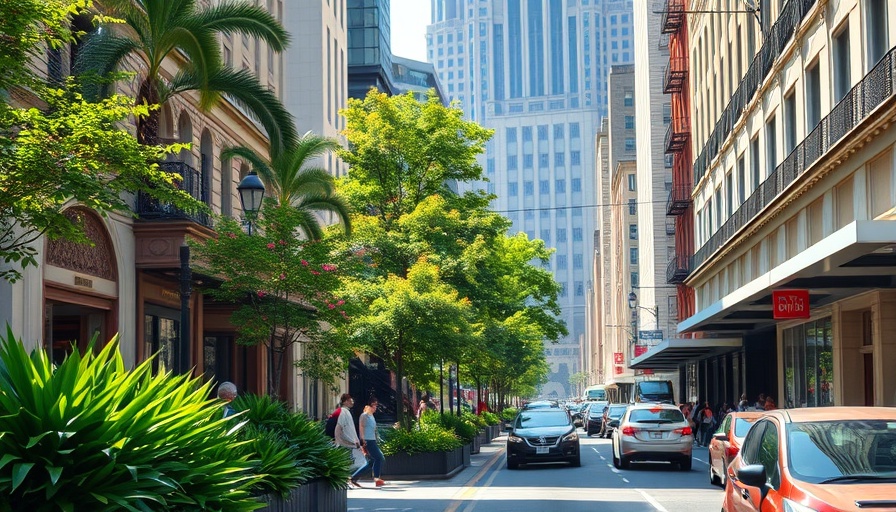
Eric Adams' $115B Budget Proposal illustrated as vibrant city street.

Mayor Adams' Budget Sets Priorities for 2026

Mayor Eric Adams has unveiled an ambitious $115 billion budget proposal for the year 2026, emphasizing safety, affordability, and enhancements to city life. This budget aims to bolster police funding, expand educational resources, and significantly improve public spaces in Manhattan, making it a notable focus for city residents.

Envisioning a Pedestrian-Friendly Fifth Avenue

A cornerstone of this proposal is the $250 million allocated for the "Fifth Avenue of the Future" project. This initiative aims to transform a bustling thoroughfare into a pedestrian-friendly boulevard stretching from Bryant Park to Central Park. The plan includes doubling sidewalk widths and introducing abundant green space with 230 new trees and flower beds, contributing not only to aesthetics but also to the overall health of the urban ecosystem.

Recreation Center Controversy

The budget request has also earmarked $51 million for the Tony Dapolito Recreation Center in Greenwich Village. Long a community staple, its future remains contentious; community activists advocate for preservation against a backdrop of potential redevelopment. How the funds will be utilized—whether for repair or reconstruction—will be closely watched by locals.

Financial Challenges Ahead

Despite the optimistic allocation of resources, Mayor Adams is facing hurdles, with anticipated tax revenue growth projected at only 1% for the new fiscal year. Critics of the budget proposal have noted that while funding increases are commendable, there must be a realistic acknowledgment of the city’s financial landscape to avoid future deficits.

An Investment in Public Safety and Education

This budget proposal is more than just numbers on a ledger; it reflects an investment in community well-being. More funds for police are intended to create a safer environment, aligning with community calls for enhanced public safety. Additionally, funding directed towards education underscores the administration's focus on nurturing future generations, a sentiment echoed by parental communities who prioritize robust educational frameworks.

Conclusion: Implications for Manhattan Residents

The city's future depends on transparent dialogue and community engagement regarding these budgetary decisions. For Manhattan residents—particularly those in legal, financial, and healthcare fields—staying informed about municipal changes is essential. The proposed budget not only affects how residents will navigate their city but also has implications for their livelihoods. As we look forward to the future, active civic participation is paramount.

New York

0 Comments

Write A Comment

*
*
Related Posts All Posts

District 3 Candidates: What Voters Need to Know Before the Special Election

Update Understanding the Impact of the D3 Council Seat VacancyThe swift succession of Erik Bottcher to the New York State Senate has left Chelsea's District 3 (D3) without representation in the City Council, stirring concerns among residents. As anticipation builds for the April 28 special election, where five candidates will vie to fill this crucial seat, the council’s commitment to addressing ongoing D3 issues remains steadfast. This is a testament to the notion that effective governance does not wait—vital services and community engagement continue.Dialogue with local stakeholders has been ongoing, ensuring residents have a voice in council matters during this transition. For those who have pressing concerns, the D3 office remains accessible via email or by phone at 212-564-7757.Participatory Budgeting Amidst Leadership TransitionThe district's Participatory Budgeting process is also being impacted by this vacancy. Although the traditional Public Expo—where residents vote on community project proposals—has been shelved for this year, local leaders have confirmed that voting will still occur during the week of April 11-19. This adaptation reflects an understanding that while the council seat is up for grabs, the community’s needs and aspirations must still be prioritized.Candidates Shape the Future: Their Plans and PerspectivesA deeper dive into the candidates' platforms reveals diverse visions for D3's future. Their proposals range from improving public safety and economic development to enhancing social services and community engagement. As these candidates present their plans, it’s crucial for constituents to evaluate how their potential leadership could address ongoing D3 challenges. The outcome of this special election will not only determine who represents them but will also shape the district's priorities in areas like housing, public safety, and local business support.Connecting with Community NeedsAs Chelsea residents reflect on the coming election, they should consider the candidates' understanding of community needs against the backdrop of the D3 vacancy. Each candidate brings a unique background and set of experiences—important factors to contemplate as voters consider whom they believe will best advocate for Chelsea's interests. Engaging with these candidates, attending forums, and seeking clarity on their positions can empower voters to make informed decisions at the polls.The Importance of Civic EngagementThe D3 Council seat is more than a position; it represents an opportunity for residents to reclaim their voice in local governance. The eagerness to address District 3's longstanding issues—from affordability to quality of public services—underscores the importance of civic engagement in shaping a community that thrives amid change.As the special election approaches, residents should prepare to actively participate in this political process. Whether through direct interaction with candidates or voting with informed intentions in April, Chelsea's future hinges on the collective engagement of its community members. It’s not just about who fills the seat; it’s about ensuring that this representation actively contributes to the community’s needs and aspirations.

Participatory Budgeting and D3 Concerns: What Candidates Must Address

Update A Critical Transition: Navigating the D3 City Council Seat Vacancy The void left by Erik Bottcher's rise to state Senate has created a significant moment for Council District 3. As the April 28 Special Election approaches, the pressing matters of the district—covering areas like Chelsea—remain at the forefront. With a transient leadership vacuum, ongoing concerns and community needs are being continuously addressed by dedicated council staff. Participatory Budgeting: A Unique Engagement Opportunity One important aspect of this changing political landscape is the impact on Participatory Budgeting in D3. This democratic process allows residents to have a direct say in how part of the city budget—$1 million in this case—is allocated for local projects. While the usual participatory expo will not take place this year, the voting period is still set for April 11-19, allowing residents to decide which community projects merit funding. Anticipation Builds for Candidate Platforms As candidates vie for the coveted seat, residents are keen to understand how each potential representative plans to address ongoing issues within the district, especially concerning community engagement methods like Participatory Budgeting. The candidates have been put to the test through interviews and forums, and constituents are encouraged to reach out with questions, ensuring that their voices are heard amid the changes. Continuing Support from Council Staff Despite the absence of a permanent representative, the D3 office is committed to servicing constituents with questions or concerns. Community members can still reach district officials via email or phone to ensure their needs are met as they await their new councilperson. The Importance of Community Voices This moment serves not only as a reminder of the democratic process but also as an opportunity for residents to engage more actively with their local government. Community members are invited to make their voices heard during the upcoming voting period and take part in shaping the future of their district. Participation and engagement have never been more critical. Reach out to your candidates, get involved in the Participatory Budgeting process, and make your vote count this April.

How Vanderbilt University's Chelsea Campus Will Transform Local Education

Update Vanderbilt University’s New York Campus: A Transformative Venture With excitement brewing in Manhattan’s Chelsea neighborhood, Vanderbilt University is making significant strides towards establishing its first campus outside of Nashville. Set to welcome its inaugural class in fall 2026, the Vanderbilt University–New York City campus aims to provide students with access to unparalleled academic and professional opportunities in one of the world’s cultural and economic epicenters. A Commitment to Community Engagement The recent public meeting titled Coffee & Construction epitomizes Vanderbilt's dedication to transparency and community interaction. Residents are encouraged to engage directly with project leaders—a refreshing approach as the university transitions the grounds of the historic General Theological Seminary into a vibrant educational hub. This event offers not just updates on construction progress, but also an inviting atmosphere where community members can voice concerns and curiosities, fostering a shared vision for the campus’s integration into the local landscape. Academic Programs Shaping Future Leaders At its Chelsea campus, Vanderbilt will launch two educational tracks: an Undergraduate Semester Program and a Master of Science in Business and Technology. This blend of program offerings marks a strategic initiative to connect students with leading industries and innovative practices. As stated by Chancellor Daniel Diermeier, this expansion is about “building connections” and providing immersive learning experiences that resonate with the vibrant tapestry of New York City’s job market. Future Growth and Impacts on Chelsea The campus will span 2.7 acres and include 13 buildings designed to enhance both the academic and residential experience. By embedding itself within Chelsea’s rich cultural milieu, Vanderbilt is set to become a key player in the community, helping to accelerate innovation and academic exploration. The potential increase in student enrollment and foot traffic to the area can stimulate local businesses and transform the neighborhood’s social dynamics. Engage with Vanderbilt’s Community and Progress For those interested in the unfolding story of Vanderbilt’s venture in New York City, attending the upcoming public meetings like Coffee & Construction can provide invaluable insights into the planning and execution of this transformative project. Join your neighbors, engage with university leaders, and witness how this initiative unfolds right in your backyard.

Terms of Service

Privacy Policy

Core Modal Title

Sorry, no results found

You Might Find These Articles Interesting

T
Please Check Your Email
We Will Be Following Up Shortly
*
*
*