
Add Row
Add Element
UPDATE
May 08.2025
1 Minute Read

Danspace Project Wins 2025 Village Award: Celebrating Art and Community Engagement

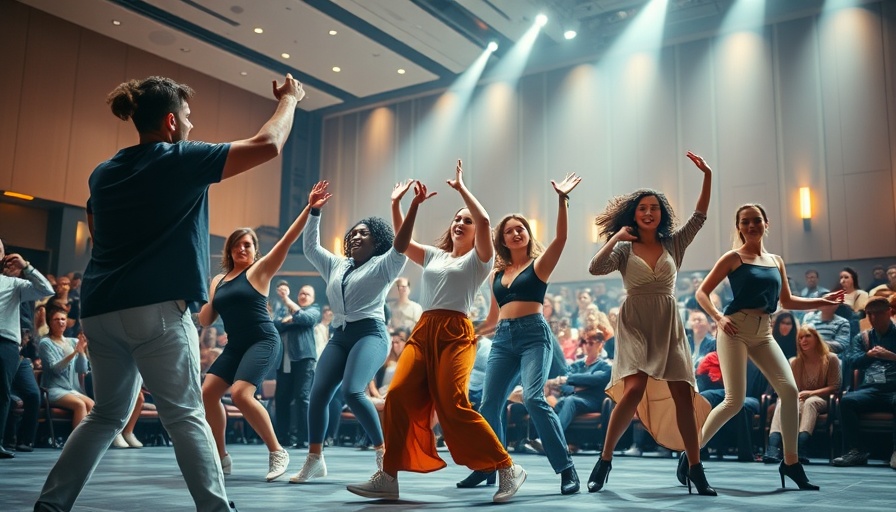
2025 Village Award Winner Danspace Project performance in auditorium.

Danspace Project: A Beacon of Creativity and Community

The 2025 Village Award has been bestowed upon Danspace Project, a revered non-profit organization located in Manhattan. This accolade not only recognizes their outstanding contributions to the performing arts but also highlights their enduring commitment to fostering a creative environment that nourishes artists and engages the community.

Honor for Artistic Excellence

Danspace Project is best known for its innovative platform that promotes contemporary dance and performance art. This award signifies the culmination of years of hard work and dedication to creating a sanctuary for artists, allowing them the space to express and explore their craft.

Community Engagement and Impact

What sets Danspace apart is its unwavering commitment to community engagement. They offer workshops, panels, and events tailored for diverse audiences, ensuring that art remains accessible and relevant. This approach strengthens the bond between artists and the community, fostering a vibrant cultural dialogue.

Looking Ahead

The future of Danspace Project looks promising, with plans to expand their outreach and enhance their programming. The recognition from the Village Award will undoubtedly aid in these efforts, enabling them to support even more artists and reach broader audiences.

Join the Celebration

As the arts continue to evolve, organizations like Danspace Project remind us of the importance of supporting creative expression. Their impactful work deserves our recognition and support to ensure that the arts remain a vital part of our community fabric.

Lifestyle

0 Comments

Write A Comment

*
*
Please complete the captcha to submit your comment.
Related Posts All Posts

Cherry Blossom Season: Experience the Elegance Beneath Petals in NYC

Update The Arrival of Spring: New York's Cherry Blossom SeasonAs the chilly winds of winter give way to the warmth of spring, New York City transforms into a breathtaking spectacle, as thousands of cherry blossoms bloom anew. The recent weekend saw Central Park awash with the delicate hues of pale pink and white blossoms, coinciding beautifully with the celebrations of Easter and Passover.Central Park's cherry blossom season is not just a seasonal event; it is a vibrant celebration of life and community. Families, couples, and friends converge, eager to experience the beauty of trees such as the Yoshino and Kwanzan, meticulously cared for by the Central Park Conservancy since the early 20th century. These ornamental trees were a gift from Japan in 1912, symbolizing goodwill and friendship, while their rapid growth over the years has contributed to the park’s enchanting atmosphere.Engaging with Nature: The Social Aspect of Cherry BlossomsThis year, visitors shared memorable moments beneath the blossoms, capturing the essence of spring not just in photographs but also in the connections fostered amid the floral splendor. Attendees like Pranesh Elango remarked on how the blossoms sparked conversations, turning strangers into friends—a heartwarming reminder of the communal joy that nature can inspire.Historical Significance and Care of the BlossomsThe cherry blossom trees thrive in particularly catered areas such as the Jacqueline Kennedy Onassis Reservoir and Sheep Meadow. The historical context of these trees added a deeper layer of appreciation; understanding that they have been carefully integrated into the urban landscape since the late 19th century elevates their beauty to something profoundly significant. This careful stewardship continues to draw visitors from all over the world.Future Trends: Cherry Blossoms and Climate ChangeAs we embrace the beauty of the cherry blossom season, it's worth considering the impact of climate change on these cherished trees. Horticulturists have observed changes in blooming patterns tied to rising temperatures, making the timing of peak blooms more unpredictable. This shift challenges both nature lovers and horticulturalists to adapt and respond to the evolving landscape of our environment.A Call to Experience the BlossomsFor those residing in or visiting New York, there's no better time to immerse yourself in the beauty and tranquility of the cherry blossoms. The park offers an array of stunning views and photo opportunities, so gather friends and family for a memorable day under the petals. Celebrate spring in all its glory, and soak in the essence of renewal that cherry blossoms epitomize.

American Woodcock: The Adorable Bird Creating a Social Media Frenzy

Update The American Woodcock Takes Center Stage This spring, something extraordinary has captured the attention of New Yorkers and bird enthusiasts alike in the hustle and bustle of Midtown Manhattan. The American Woodcock, affectionately known as the timberdoodle, has made its annual appearance in Bryant Park, transforming the urban landscape into a vibrant gathering spot for both avid bird watchers and casual observers. A Social Media Sensation Thanks to platforms like TikTok and Instagram, this adorable bird has amassed a following far beyond its natural habitat. As reports from various sources mention, the small yet plump woodcock has become a darling on social media. Young visitors, such as Joyce Sun and Montana, were drawn to the park not only to witness its distinctive mating dance but also because of the myriad videos that had flooded their feeds. Montana expressed how she felt compelled to see the bird after watching countless clips showcasing its charm, remarking, "It’s like a superstar." This phenomenon showcases the power of social media in creating vibrant communities around shared interests—be it birding or the sheer joy of witnessing something unique. The Joy of Bird Watching Bird watching has a way of fostering a sense of community. As reported by ABC7 New York, spectators at Bryant Park were not just there to see the bird; they were there to connect. Many formed friendships over their shared enthusiasm, saying things like, "We just met bonding over watching the bird." Such connections remind us of the beauty and simplicity of enjoying nature together, even amidst the chaos of a city like New York. The excitement was palpable as small groups pulled out their binoculars, shared tips, and even attempted to imitate the woodcock's dance. More Than Just a Bird: Environmental Awareness This moment also acts as a poignant reminder of the importance of conservation. The American Woodcock, while not endangered, has experienced a steady population decline. As habitats disappear, events like these could spark interest in wildlife conservation. Birdwatcher Deborah Alperin shares insights about the woodcock's migratory journey—stopping in green spaces such as Bryant Park to rest and replenish before continuing their journey north to Canada—emphasizing the need for urban areas to maintain accessible green spaces for wildlife. Bringing People Together in Times of Isolation The woodcock’s cozy presence has resonated deeply with many, particularly in a time when the world has often felt divided. As Talisa Shevavesh aptly put it, “The bird brings New Yorkers together. We need so much more of that.” In a bustling city where life races ahead, such moments of collective appreciation serve as vital reminders of the joy that nature can bring. This little visitor showcases that in even the most unexpected places, connections are possible, and there is something to celebrate. What Lies Ahead for the American Woodcock? As this charming avian celebrity prepares to continue its journey northward, New Yorkers are left with fond memories and perhaps a newfound appreciation for the natural world around them. As they say goodbye to this delightful guest, perhaps it will inspire more people to engage in birding locally and acknowledge the precious wildlife in their midst.

How Poetry Illuminates History and Shapes Our Understanding Today

Update Exploring the Intersection of Poetry and History In the vibrant landscape of New York City, poetry has historically played a significant role in expressing ideas and emotions tied to personal and collective experiences. The Village, in particular, has served as a critical hub for literary expression, where poets have tackled themes of resistance, identity, and belonging over the past two centuries. This article looks at how poetry can illuminate historical narratives, appealing to professionals in law, accounting, and medicine who might find the interplay of ethics and history in literary forms resonates deeply with their work. The Legacy of Resistance in Poetry Throughout history, poetry has acted as a voice of resistance against oppressive forces. In a study articulated in the *History Education Research Journal*, professors Godsell and Mathebula highlight that poetry serves not only as an artistic expression but also as a medium for history education. Poems can convey complex historical realities, particularly those of marginalized communities. As professionals engage with diverse clients and societies, understanding these narratives can enrich their approaches, whether in discussing ethical considerations in law or addressing the complexities of identity in healthcare. A Window into the Human Experience Poetry does what textbooks often overlook—it personalizes history. Works by poets such as Natalia Molebatsi and Vangile Gantsho allow us to feel the weight of history through emotional connections. They address collective memories in ways that statistics cannot. This emotional engagement fosters a deeper understanding of human rights and justice—concepts that resonate across various sectors, including law, medicine, and social services. By examining historical contexts through this lens, professionals can cultivate empathy and thoughtfulness in their work. Poetry as a Tool for Historical Reclamation The dynamic power of poetry lies in its ability to reclaim history. Richard Siken once wrote, “History throws its shadow over the beginning,” illustrating the importance of addressing the loss and distortion prevalent in historical narratives. The act of writing poetry itself can be a form of reclaiming history, allowing individuals to reinterpret their pasts. For lawyers and policy makers, recognizing this aspect can inform their advocacy strategies, creating a narrative that promotes justice and understanding. The Implications for Future Generations Incorporating poetry into discussions about history has profound implications for fostering a more inclusive understanding of our past. It encourages young people to find their voices, just as past poets have found theirs in addressing societal challenges. Professionals in education and community services can harness these narratives to inspire the upcoming generations, thus ensuring that their voices are heard and valued in the ongoing discourse about identity and history in the modern world. Concluding Reflection As we engage with the poetic legacy of The Village, let us acknowledge the power of words to shape our understanding of social justice and historical consciousness. Poetry not only enlivens our collective memories but also fosters an empathetic approach toward the complexities of history. For those in law, accounting, and medical professions, embracing these narratives can lead to a more meaningful connection to the communities they serve. Together, we can appreciate poetry as a site of historical learning, transforming our understanding of both the past and the present.

Terms of Service

Privacy Policy

Core Modal Title

Sorry, no results found

You Might Find These Articles Interesting

T
Please Check Your Email
We Will Be Following Up Shortly
*
*
*